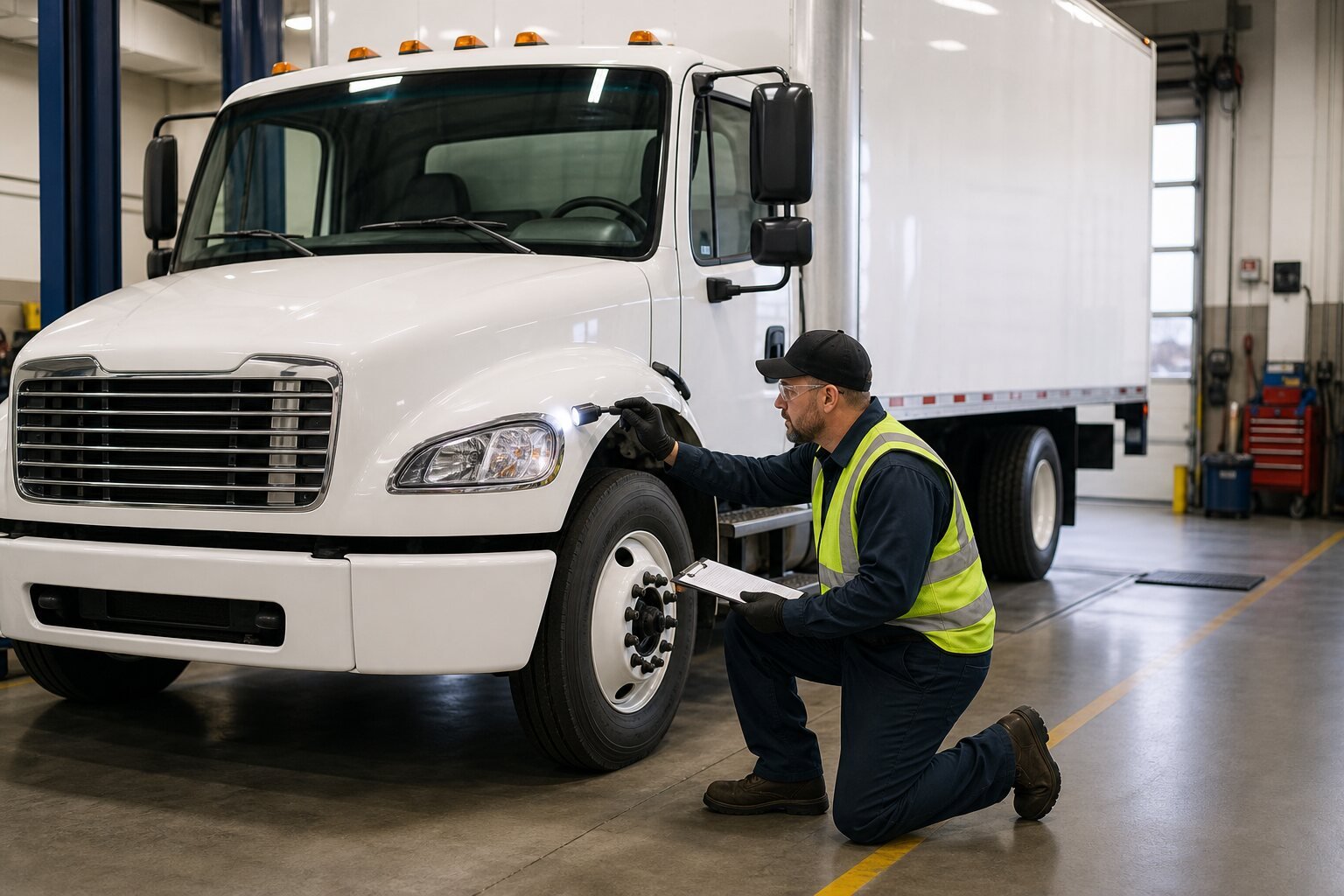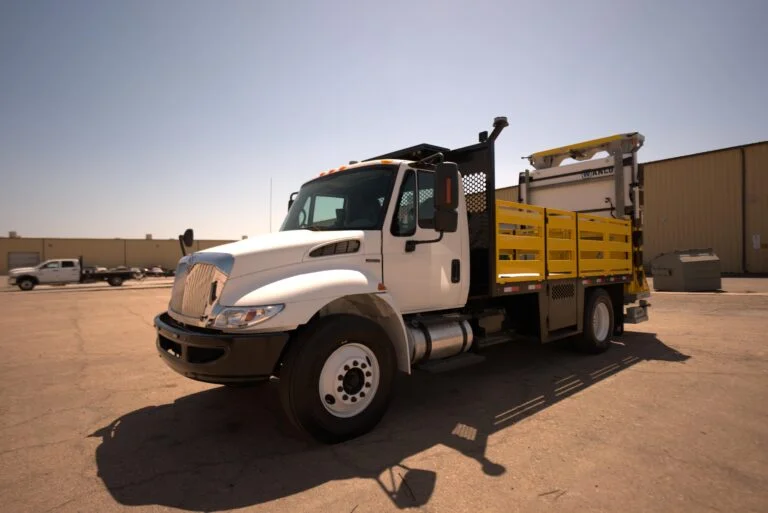
Your TMA (Truck-Mounted Attenuator) truck is one of the most important safety assets in your traffic control fleet. It protects workers every day on high-speed roads. When it’s operating correctly, you barely notice it. But when something starts to go wrong, ignoring the warning signs can lead to dangerous failures, failed inspections, costly downtime, and even liability issues.
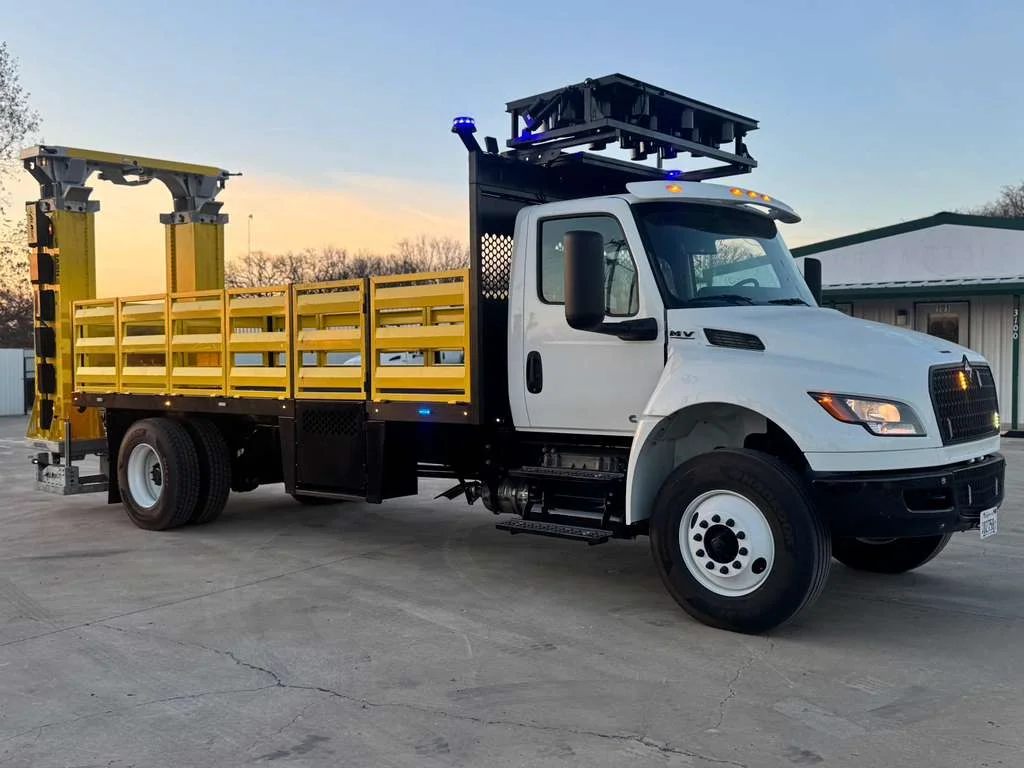
WH Trucks has specialized in TMA truck sales, installation, and repair for years. We’ve seen every common failure mode and know exactly when a problem can be handled in-house versus when it requires professional service.
This guide will help you recognize the key warning signs that your TMA truck needs professional repair, so you can act before a small issue becomes a major safety or financial problem.
Why Early Detection Matters
A TMA truck must meet strict MASH TL-3 standards and pass Caltrans or local agency inspections. Even minor issues with the attenuator, hydraulics, or electrical systems can cause the entire unit to fail certification. Catching problems early prevents:
- Work zone accidents
- Expensive emergency repairs
- Prolonged downtime during peak season
- Failed inspections and stop-work orders
8 Clear Warning Signs Your TMA Truck Needs Professional Repair
1. Visible Damage to the Attenuator Cartridges
- Dents, cracks, or compression in the aluminum honeycomb
- Cartridges that are bulging or leaking material
- Uneven crushing or deformation after minor impacts
Action: Stop using the truck immediately. Damaged cartridges must be professionally replaced and the unit re-certified.
2. Hydraulic System Problems
- Slow or jerky lift/deployment
- Fluid leaks under the truck or around cylinders
- Unusual noises (grinding, whining, or banging) during operation
- Drift in the stowed or deployed position
3. Electrical & Lighting Failures
- Arrow board pixels missing or flickering
- Strobes or work lights not functioning properly
- Warning lights on the dashboard
- Battery drain even when the truck is off
4. Mounting System Issues
- Loose or rattling TMA frame
- Visible cracks or welds on mounting brackets
- Misalignment between the TMA and truck bed
- Bolts that frequently come loose
5. Unusual Noises or Vibrations
- Loud clunking when going over bumps
- Excessive vibration at highway speeds
- Scraping or rubbing sounds when deploying the TMA
6. Warning Lights or Error Codes Modern TMA systems have diagnostic indicators. Any dashboard warning lights related to the attenuator, hydraulics, or electrical systems should never be ignored.
7. Failed or Marginal Inspection Results If your last Caltrans or agency inspection flagged any issues — even minor ones — schedule professional service before your next job.
8. Reduced Performance After an Impact Even a low-speed hit can damage internal components. If the TMA doesn’t deploy or stow smoothly afterward, it needs immediate professional inspection.
DIY Maintenance vs Professional Repair
You can safely handle:
- Daily visual inspections
- Basic cleaning and lubrication
- Tire pressure and fluid level checks
- Battery maintenance
Leave these to professionals:
- Cartridge replacement and re-certification
- Hydraulic cylinder rebuilds or replacements
- Full electrical system diagnostics and rewiring
- Structural frame repairs
- Complete TMA re-alignment and torque verification
The Risks of Delaying Professional Repair
- Safety failure during a crash event
- Expensive secondary damage (e.g., bent frame from a failing cartridge)
- Lost revenue while the truck sits out of service
- Failed inspections leading to contract violations
One contractor we worked with ignored early hydraulic leaks. The resulting failure during a project cost them $28,000 in repairs, lost work, and penalties.
Why Choose WH Trucks for TMA Repair
- Factory-authorized service for Verdegro, Scorpion II, TrafFix, and other major TMA systems
- In-house certified technicians and welding/fabrication shop
- Full MASH re-certification capabilities
- Large parts inventory for fast repairs
- Mobile repair services available for urgent cases
- Detailed documentation for your fleet records and inspections
We don’t just fix the immediate problem — we return your truck to full safety and compliance standards.
Preventive Maintenance Schedule We Recommend
- Daily: Visual walk-around and light check
- Weekly: Deploy/stow cycle test and fluid level check
- Monthly: Detailed inspection of mounting points and cartridges
- Quarterly: Professional service visit with full diagnostic scan
Following this schedule dramatically reduces major repair needs.
Frequently Asked Questions
How often should a TMA truck be professionally serviced? At minimum, every 6 months or 10,000 miles — more frequently for high-volume fleets.
Can I repair a damaged cartridge myself? No. Cartridges must be replaced by certified technicians and the unit re-tested for MASH compliance.
How long do repairs usually take? Minor repairs: 1–2 days. Major cartridge or hydraulic work: 3–7 business days.
Do you offer loaner TMA trucks? Yes, subject to availability. We understand how critical uptime is for your business.
What’s the average cost of professional TMA repair? Varies widely. Minor electrical fixes start around $450. Full cartridge replacement typically ranges from $4,500–$9,500 depending on model.
Don’t Wait Until It’s an Emergency
Your TMA truck protects lives every day on the road. Regular professional attention keeps it reliable, compliant, and ready when you need it most.
If you’ve noticed any of the warning signs above, don’t take chances.
Call (559) 268-4761 or email service@whtrucks.us today to schedule an inspection or repair.
Visit WHTrucks.us or connect with us on LinkedIn and Facebook for more fleet maintenance tips and real repair examples.
Keep your TMA fleet safe, compliant, and working hard — trust the professionals at WH Trucks.