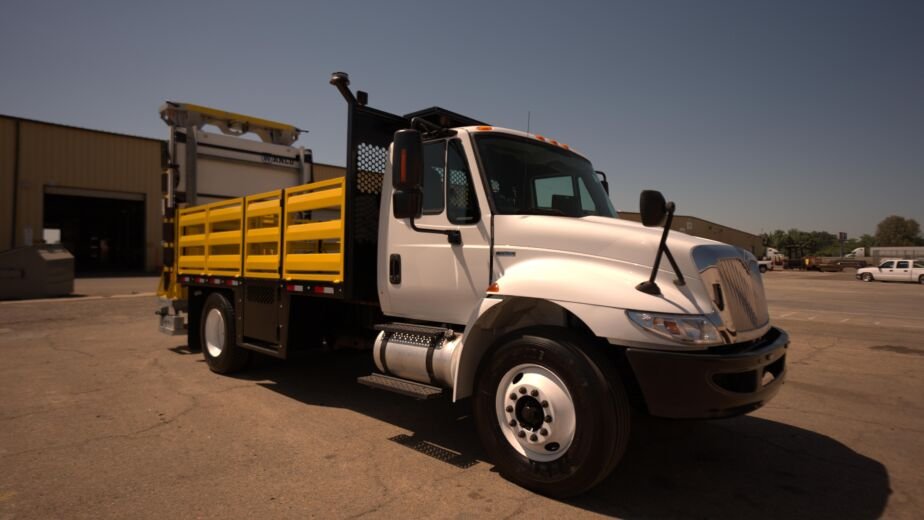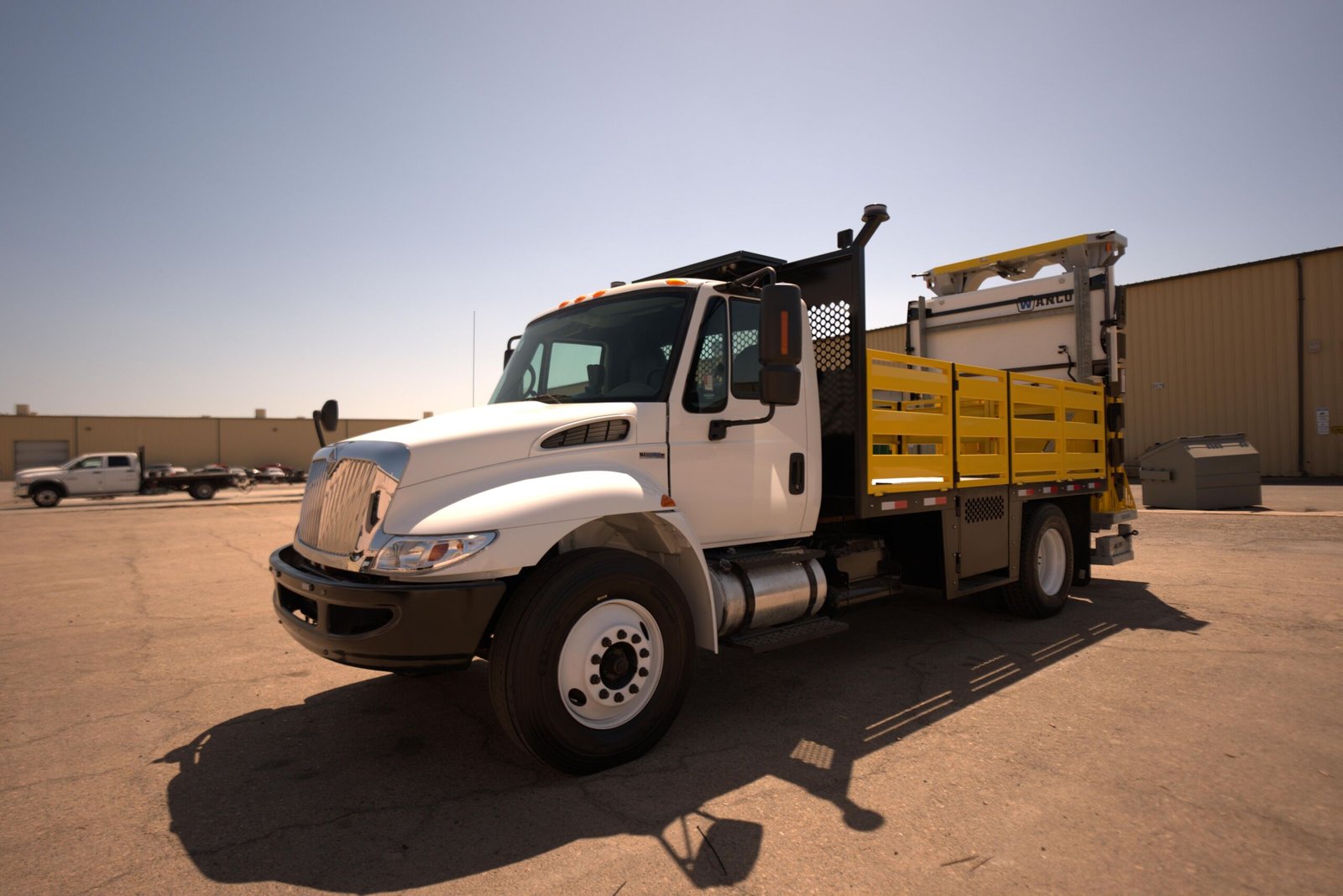
At Western Highways, every Truck Mounted Attenuator (TMA safety features) truck that rolls out isn’t just compliant — it’s deliberate. Every feature, every system, every inspection exists for one reason: to protect human lives on active roadways.
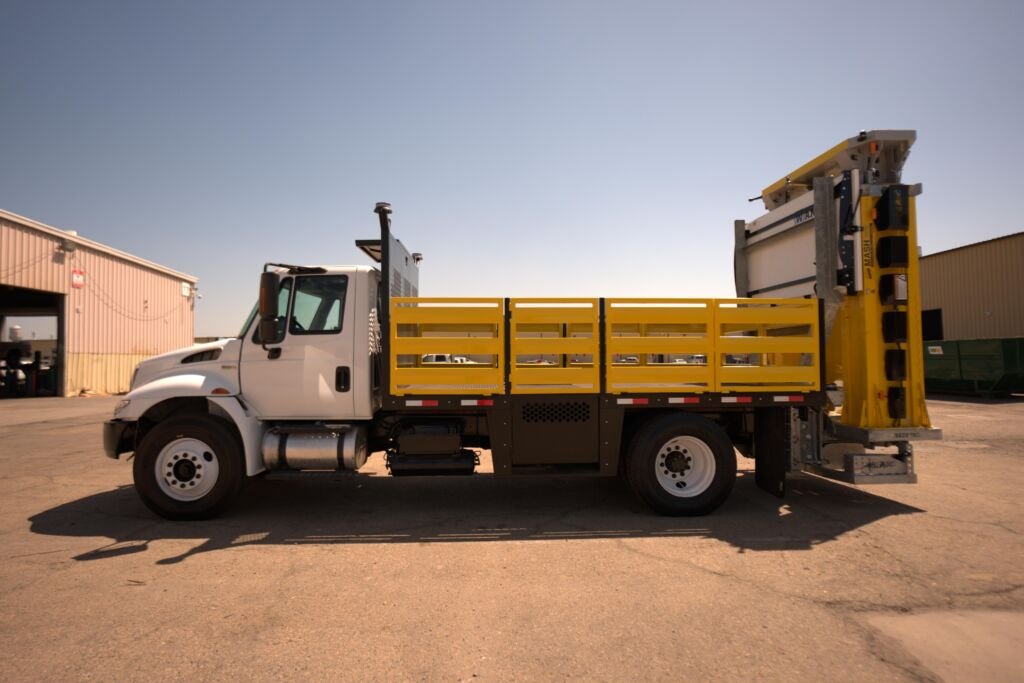
This article pulls back the curtain on how Western Highways integrates safety into every TMA truck — from engineering decisions to operational protocols — and why that approach matters when traffic doesn’t slow down and mistakes aren’t forgiven.
👉 Learn more about our TMA fleet and safety-first philosophy at https://whtrucks.us/
Why TMA Truck Safety Is Non-Negotiable in Today’s Traffic Environment
Roadside work has changed. Traffic is faster. Distractions are everywhere. Reaction times are worse.
A TMA truck isn’t just a barrier — it’s the last line of defense between a distracted driver and a crew member with their back turned.
Western Highways understands this reality because we operate in it daily (safety features). That’s why safety integration isn’t treated as a feature — it’s treated as a system.
Safety Starts Before the Truck Is Even Built
At Western Highways, safety doesn’t begin when the TMA deploys. It begins at selection and specification.
1. Choosing Proven, MASH-Compliant TMA Systems
Every TMA truck integrated by Western Highways uses MASH-approved attenuation systems, ensuring performance under real-world crash conditions.
This includes compatibility with leading TMA platforms such as:
- Scorpion TMAs
- Blade TMAs
(Selection depends on jobsite needs, traffic speed, and deployment duration.)
👉 Learn more about TMA truck options at https://whtrucks.us/
2. Matching the Right TMA to the Right Mission
Not every jobsite is the same. Western Highways evaluates:
- Traffic speed and volume
- Lane configuration
- Project duration
- Urban vs. highway environment
Safety integration means fitment matters. Overbuilding wastes resources. Underbuilding risks lives.
Structural Safety: Building a Stable Foundation
3. Reinforced Truck Chassis and Mounting Systems
A TMA is only as safe as the truck carrying it.
Western Highways ensures:
- Reinforced rear frames
- Proper weight distribution
- Secure TMA mounting systems
- Chassis compatibility testing
This reduces:
- Vehicle instability during impact
- Secondary collision risks
- Structural failure after deployment
4. Energy Management, Not Just Energy Absorption
Impact safety isn’t just about stopping force — it’s about controlling it.
Western Highways integrates systems designed to:
- Absorb crash energy progressively
- Redirect impact forces downward
- Minimize rebound into work zones
This protects:
- Crew members
- Equipment
- Passing traffic
Visibility: If Drivers Can’t See You, Nothing Else Matters
5. Advanced Arrow Boards and High-Intensity Lighting
Every Western Highways TMA truck is outfitted with:
- High-visibility arrow boards
- LED warning lights
- Rear and perimeter illumination
These systems are positioned for maximum driver awareness, day or night.
Visibility reduces crash probability long before attenuation is ever needed.
6. Reflective Markings and Color Contrast Strategy
Western Highways follows strict standards for:
- Reflective striping
- High-contrast vehicle colors
- Rear-facing hazard visibility
This improves recognition time for approaching drivers — often by critical seconds.
Operator Safety: Protecting the Person Behind the Wheel
7. Cab Safety and Ergonomic Controls
Safety doesn’t stop at the rear of the truck.
Western Highways integrates:
- Operator-friendly control layouts
- Clear TMA deployment indicators
- Reduced cognitive load during operation
This allows operators to:
- Focus on traffic conditions
- Deploy systems correctly
- React quickly under pressure
8. Backup Cameras and Blind-Spot Awareness
Rear-impact protection is vital — but so is maneuvering safety.
TMA trucks are equipped with:
- Rear-view camera systems
- Blind-spot visibility aids
This reduces:
- On-site accidents
- Crew-to-vehicle incidents
- Equipment damage
Digital Safety: Technology That Thinks Ahead
9. System Status Monitoring
Western Highways integrates monitoring systems that provide:
- Deployment confirmation
- System readiness indicators
- Maintenance alerts
A TMA that looks ready but isn’t is a liability. Monitoring eliminates that guesswork.
10. Preventive Maintenance Integration
Safety systems are only effective if they work when needed.
Western Highways follows rigorous maintenance protocols to ensure:
- Attenuators deploy correctly
- Hydraulic and mechanical systems perform as designed
- Wear components are replaced before failure
Reliability is safety. Period.
Training: The Most Important Safety Feature of All
11. Operator Training and Best-Practice Alignment
Even the best TMA truck is dangerous in untrained hands.
Western Highways emphasizes:
- Proper deployment procedures
- Safe positioning strategies
- Awareness of traffic behavior patterns
This human element is why Western Highways doesn’t just supply equipment — we support operations.
Compliance and Accountability
12. Adherence to Industry and Regulatory Standards
Every TMA truck integrated by Western Highways aligns with:
- MASH guidelines
- State and federal safety requirements
- Industry best practices
Compliance isn’t treated as a ceiling — it’s treated as a baseline.
EEAT in Action: Why Western Highways Is a Trusted Authority
Google’s EEAT framework rewards organizations that demonstrate Experience, Expertise, Authoritativeness, and Trustworthiness. Western Highways earns that trust through action, not claims.
Experience
Hands-on involvement in real traffic control operations.
Expertise
Deep understanding of TMA systems, safety engineering, and jobsite realities.
Authority
Backed by Western Highways Traffic Safety and industry partnerships.
Trust
Transparent communication, proven systems, and consistent performance.
👉 Connect with us on LinkedIn:
https://www.linkedin.com/company/whservicecenters/
Safety Isn’t an Add-On. It’s a Commitment.
At Western Highways, integrating safety into every TMA truck isn’t a feature list — it’s a philosophy.
From structural engineering to visibility systems, from operator protection to training and maintenance, every decision is made with one outcome in mind:
Everyone goes home.
If you’re looking for TMA trucks built with intention, backed by experience, and deployed with discipline:
🌐 https://whtrucks.us/
📞 (940) 281-1722
📧 info@westernhighwaystrafficsafety.com
The road doesn’t forgive shortcuts.
We don’t take them.